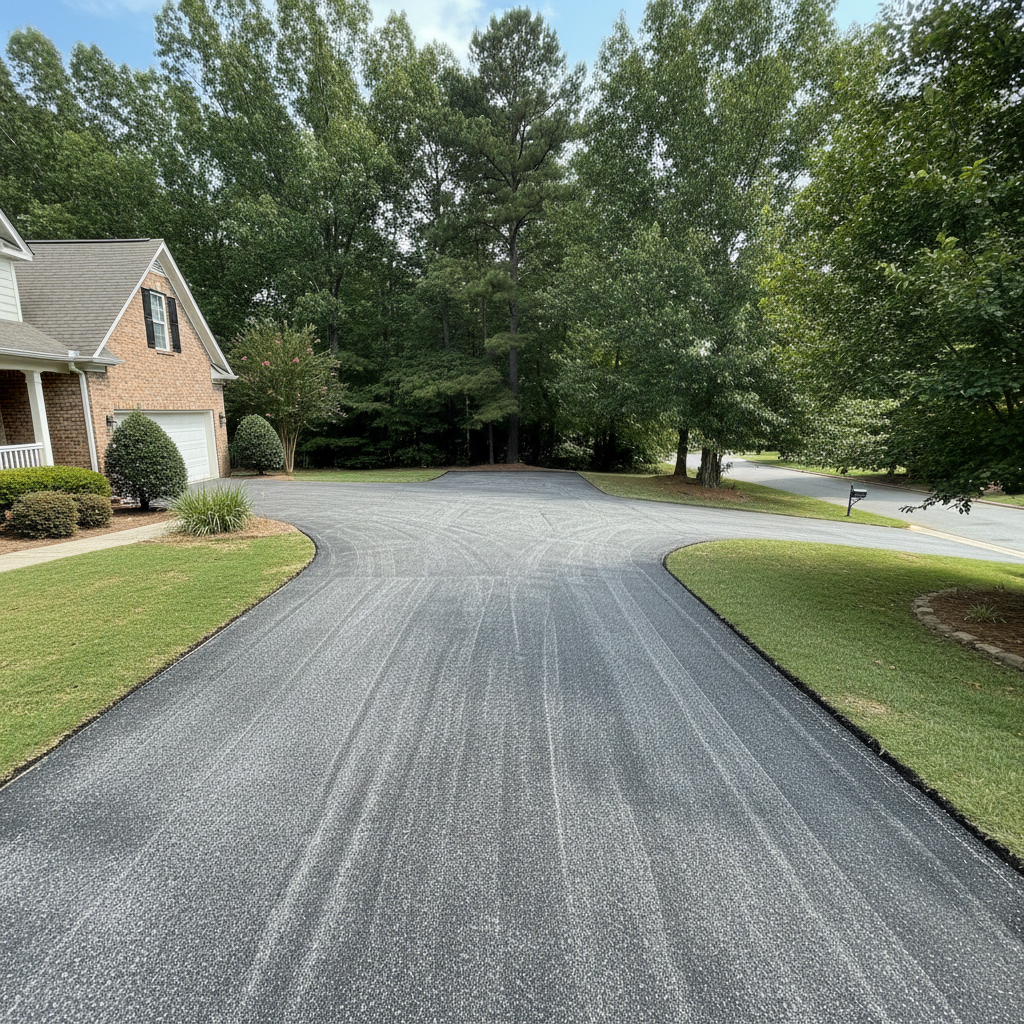
So, you're thinking about asphalt milling for your place here in Atlanta. Maybe your old driveway's got more cracks than a desert floor, or your parking area just looks tired, but the foundation underneath is still pretty solid. Milling can be a smart move, you know, it saves you some cash compared to tearing everything out and starting fresh. But like any big home project, you really need to plan it right. Let's talk about what that usually looks like.
Planning Your Milling Project: Timeline & What to Expect
First off, don't expect this whole thing to happen overnight. A good milling project takes a bit of coordination. From your first call to a contractor like us at Majestic Asphalt Company, right up to the final roll, you're probably looking at a few weeks — maybe even a couple of months, depending on the season and our schedule. We're usually pretty busy, especially when the weather's good, don't you know?
Here's a rough timeline:
- Initial Contact & Site Visit: You give us a call, and we set up a time to come out. We'll check out your existing asphalt, take a look at the sub-base, and chat about what you're trying to get done. This usually happens within a few days of your call.
- Quote & Agreement: We'll put together a detailed quote for you. Once you give it the green light and we've got a signed contract, we can schedule the work. This part can take anywhere from a few days to a couple of weeks, just depending on how quickly you make up your mind.
- Scheduling: This is where the weather really plays a big role, especially here in Atlanta. We can't mill or pave in heavy rain, and it needs to be warm enough for the new asphalt to cure properly. We'll give you an estimated start date, but be ready for some flexibility if Mother Nature decides to throw a wrench in our plans.
- The Work Itself: Now this is the exciting part!
On the actual work days, here's what you can expect:
- Milling: Our crew will show up with specialized equipment — big machines that look like they're eating your old pavement. They'll grind down the top layer of your existing asphalt to a specific depth, usually 2-4 inches. It's going to be noisy, and there will be dust, but it gets the job done efficiently. We'll haul away all that milled material, too.
- Base Prep: Once the old surface is milled off, we'll inspect the exposed base. If there are any soft spots or areas that need extra attention, we'll take care of them. This might mean adding some new aggregate and compacting it to create a super stable foundation for the new asphalt. This step is critical for how long your new pavement lasts.
- New Asphalt Laying: Then comes the fresh, hot asphalt. Our paving crew will spread it evenly and compact it with heavy rollers. You'll see steam rising, and it'll smell like fresh asphalt for a bit.
- Compaction & Finishing: We'll make sure it's properly compacted and graded for drainage. This is where we really pay attention to the details, making sure your new surface looks great and directs water away from your home — which is super important with our Atlanta downpours.
How to Prepare Your Property
You've got a role to play too, just to make sure things go smoothly:
- Clear the Area: Move your cars, boats, RVs, trash cans, planters, really anything that's on or near the area we'll be working on. We need a clear path for our equipment.
- Inform Neighbors: Give your neighbors a heads-up. There will be noise and some temporary disruption to traffic flow, especially if it's a shared driveway or a cul-de-sac. A little courtesy goes a long way, right?
- Mark Sprinkler Heads & Utilities: If you have any sprinkler heads, invisible dog fences, or other buried utilities near the edge of the asphalt, mark them clearly with flags or paint. We definitely don't want to accidentally damage anything.
- Plan for Access: You won't be able to drive on the newly paved surface for at least 24-48 hours, sometimes longer depending on the weather and asphalt mix. Plan for alternative parking and how you'll get into your home during that time.
Questions to Ask Before You Sign That Contract
Don't just jump into a contract without asking some key questions. This is your investment, so be thorough:
- What's the exact scope of work? Make sure the contract clearly details what's being milled, to what depth, and what type of new asphalt will be laid. Does it include any base repair if needed, or is that extra?
- What kind of warranty do you offer? A reputable contractor will stand behind their work. Ask about the warranty period for both materials and labor.
- Are you licensed and insured? This is non-negotiable. Ask for proof of general liability and workers' compensation insurance. You don't want to be on the hook if someone gets hurt on your property.
- Can you provide references? Ask for contact information for a few recent milling projects, especially ones in areas like Buckhead or Decatur where properties often have unique drainage needs.
- How do you handle unexpected issues? Sometimes we uncover things once the milling starts, like a really bad section of sub-base. How will they communicate this, and what's the process for approving additional work and costs?
- What's the payment schedule? Do they require a deposit? When are the other payments due? A huge upfront payment should be a red flag.
- What's the cleanup process? Will they remove all the milled material and debris, or is that something you're responsible for?
By asking these questions and preparing your property, you'll ensure your asphalt milling project goes smoothly and you end up with a durable, great-looking surface. It's a big investment, so make sure you're working with a pro who knows their stuff.