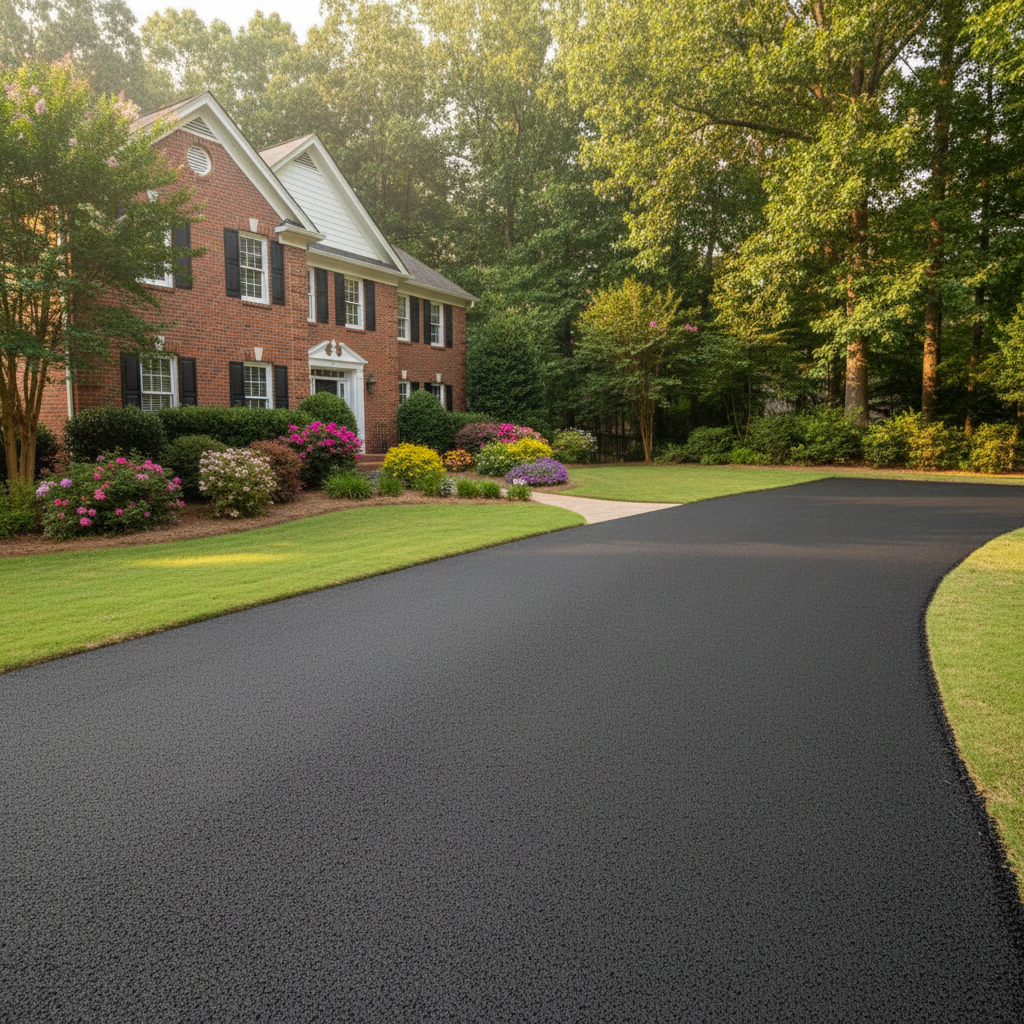
Understanding Atlanta's Climate and Your Asphalt
Our weather here in Atlanta? It's a real rollercoaster, isn't it? One day it's a balmy 70 degrees in January, the next we're bundling up for an ice storm. That kind of fluctuation really hits your asphalt driveway hard, probably more than you'd guess. We're not dealing with the deep freezes of the Midwest or Florida's constant, baking heat; we're stuck in this odd middle ground that can be incredibly tough on pavement.
Just think about it: scorching, humid summers that practically bake the asphalt, then sudden, torrential downpours that sneak into any little crack. And let's not forget those occasional hard freezes. They make the ground expand and contract, which is a huge deal if you've got a lot of that famous red Georgia clay sitting under your driveway. All this movement and moisture can quickly lead to cracks, potholes, and a generally tired, worn-out look if you don't stay on top of things.
When's the Best Time to Schedule Asphalt Work?
This is, hands down, the most common question I get. For new asphalt paving or a big overlay, you're really looking for a sweet spot. The perfect conditions mean consistent temperatures, somewhere between 50 and 80 degrees Fahrenheit. Why that range? Well, the asphalt mix needs to be laid and compacted at a specific temperature so it can cure properly and get to its maximum density. If it's too cold, the asphalt cools too fast, making it a pain to work with and stopping it from compacting right. If it's too hot, it can stay soft for too long, leaving it open to damage.
So, what does that actually mean for us in Atlanta?
- Spring (March-May): This is prime time, no doubt about it. The ground has had a chance to thaw from any winter chill, and temperatures are usually steady and mild. It's warm enough for the asphalt to cure nicely, but not so hot that our crew is melting.
- Early Fall (September-November): Another excellent window. The summer heat has finally broken, but we haven't quite hit those colder temperatures yet. Just keep an eye out for those late-season hurricane remnants – they can certainly bring a lot of rain.
Now, for smaller repairs, like patching or crack filling, you've got a bit more wiggle room. We can often tackle those jobs in cooler temperatures, even down into the 40s, as long as everything stays dry. Sealcoating, though, that needs warmer weather, usually above 50 degrees, and absolutely no rain for at least 24 to 48 hours after we put it down.
Weather Conditions That Affect the Job
Beyond just temperature, a few other weather factors really decide when we can actually get work done:
- Rain: This is a huge one. You simply cannot pave or sealcoat when it's raining. Water stops the asphalt from bonding correctly, and it'll just wash away your sealcoat. Even a forecast for heavy rain can cause us to delay a project. We're always glued to the radar for those sudden summer pop-up storms, believe me.
- Humidity: While not as critical as rain, really high humidity can sometimes slow down the drying time for sealants. It's usually manageable, but it's definitely something we keep in mind.
- Ground Conditions: After heavy rains, the ground underneath your existing driveway can get completely saturated. If we're doing a full replacement, that sub-base needs to be stable and dry enough to support the new asphalt. That's especially true with our clay soils around here — they hold water like nobody's business.
Protecting Your Investment Year-Round
You've put money into your driveway; now let's make sure it lasts. Here's what I tell folks:
- Regular Cleaning: Sweep off dirt, leaves, and any debris. This stops organic matter from breaking down on the surface and holding moisture.
- Address Spills Immediately: Oil, gas, and other automotive fluids are asphalt's worst enemies. They break down the binder that holds all the aggregate together. Clean them up as soon as they happen.
- Crack Sealing: This is probably the single most important maintenance step you can take. Small cracks inevitably turn into big cracks, which then let water penetrate down to the sub-base. Once water gets under there and freezes, or just softens the soil, you're looking at potholes and major damage. Get those cracks sealed promptly.
- Sealcoating: A good sealcoat every 2-3 years (depending on traffic and how much sun it gets) protects your asphalt from UV rays, water penetration, and oxidation. Think of it like sunscreen for your driveway; it keeps it flexible and stops it from getting brittle.
- Proper Drainage: Make sure water isn't pooling on your driveway. If it is, you might need to look into some minor grading adjustments or other drainage solutions. Standing water is a killer.
- Avoid Heavy Loads: Try not to park heavy equipment or RVs on your residential driveway for long periods. It's really designed for cars, not constant heavy loads.
Look, your asphalt driveway is a big part of your home's curb appeal and how it functions. Taking care of it throughout the year, especially with Atlanta's unique climate, will save you a ton of headaches and money down the road. If you've got questions about your specific driveway or need some work done, please don't hesitate to give Majestic Asphalt Company a call. We're always happy to talk asphalt with our neighbors.