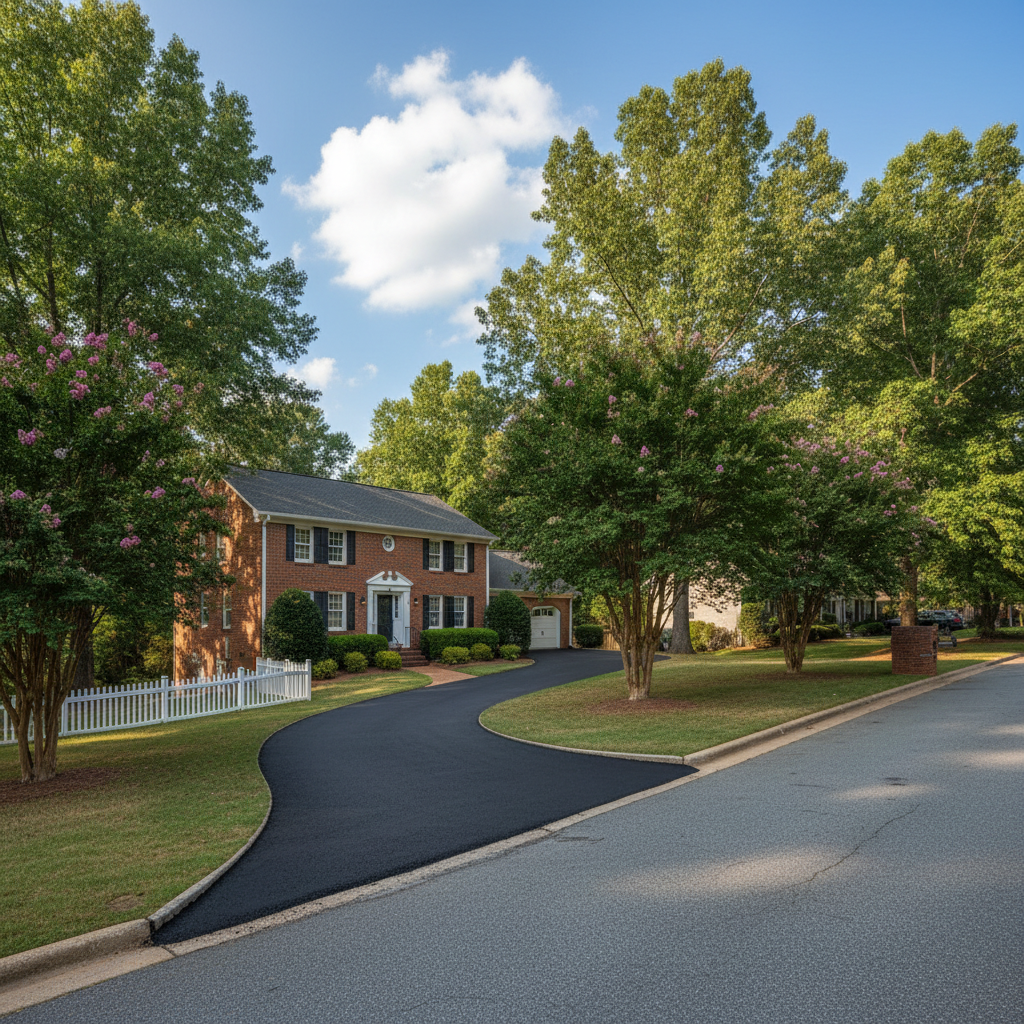
So, you've got a commercial spot here in Atlanta, and let's be honest, that asphalt parking lot or access road? It's a pretty big deal. Often, it's the very first thing your customers or tenants lay eyes on, and a well-kept surface really speaks volumes about your business. But figuring out the right time for paving, repairs, or even just sealcoating can be a real puzzle, especially with our notoriously unpredictable Georgia weather. I've seen it all in my years, and here's the straight talk I give folks about scheduling their asphalt work.
When's the Best Time for Paving or Major Repairs?
For any significant asphalt job — we're talking brand new paving, overlays, or big-time repairs — you're really looking for warm, dry weather that's going to stick around for a bit. Around here in Atlanta, that usually means late spring through early fall. Think April, May, June, then September, October. Why those months specifically?
- Temperature Matters, a Lot: Asphalt needs specific temperatures to cure right. If it's too cold, the mix cools off too fast, making it tough to compact properly, and it won't bond as well as it should. Too hot, though, and it can get too soft, making it a nightmare to work with. We're aiming for air temperatures consistently above 50°F (that's about 10°C) and ideally climbing into the 70s or 80s.
- Moisture is the Enemy: You absolutely, positively do not want us paving on wet ground or if rain is in the forecast. Water sitting underneath the asphalt can lead to early failure, cracks, and potholes down the road. We need dry conditions for the base to be prepped correctly and for the asphalt to stick. Our summer thunderstorms can pop up out of nowhere, so we're always glued to the radar.
- Optimal Curing: Asphalt needs time to cure and harden. Warm, dry air helps this process along. Paving when it's too cold or damp means the asphalt won't ever reach its full strength and durability, which ultimately cuts its lifespan short.
So, when you're planning a big project, shoot for those sweet spots. It gives us the best shot at laying down a surface that'll truly last you a good long time.
When Should You Schedule Sealcoating and Minor Repairs?
Think of sealcoating as your asphalt's sunscreen and protective shield. It's super important for making your pavement last longer. Filling small cracks also falls into this category. The rules here are pretty similar to paving, but maybe a little less strict on the temperature. You still need dry conditions, and temperatures need to be above 50°F and climbing, both during application and for at least 24-48 hours afterward so it can cure properly. Spring and fall are prime times for this kind of work.
We often see people trying to squeeze in sealcoating in late fall or early spring when temperatures are just barely above the minimum. While it might seem like a smart move to get it done, if the nighttime lows dip too much, or if a cold front suddenly rolls in, that sealcoat won't cure right. It can peel, flake, or just won't give you the protection it's supposed to. Honestly, it's better to wait for a solid stretch of warm, dry days than to rush it and basically throw your money away. Majestic Asphalt Company always suggests playing it safe with the weather.
Year-Round Protection: What You Can Do
Even when we're not actively working on your asphalt, there's a bunch you can do to protect your investment.
- Drainage is Key: Atlanta gets a ton of rain, especially those heavy downpours. Make sure your drainage systems are clear and actually working. Standing water is a death sentence for asphalt. It seeps into cracks, and when it freezes (which, believe it or not, happens occasionally even here, especially in northern suburbs like Alpharetta or Roswell), it expands and makes those cracks even worse.
- Address Spills Immediately: Oil, gas, and other chemicals are absolutely terrible for asphalt. They break down the binder that holds everything together. Clean up spills as soon as you spot them.
- Regular Inspections: Walk your property often. Look for tiny cracks, potholes, or places where water is pooling. Catching these issues early usually means they're cheaper and easier to fix before they turn into huge headaches.
- Keep it Clean: Debris, dirt, and gravel can really speed up wear and tear. A good sweep now and then really helps.
- Don't Overload: If you have areas that see heavy truck traffic, double-check that the asphalt was actually designed for that kind of weight. Too much weight can cause rutting and early failure.
Look, your commercial asphalt is an asset. Treating it right, and understanding how our local climate impacts it, will save you a lot of money and headaches down the road. If you've got questions about your specific property or need to get on the schedule, just give us a shout. We're here to help you keep your pavement looking good and performing strong.