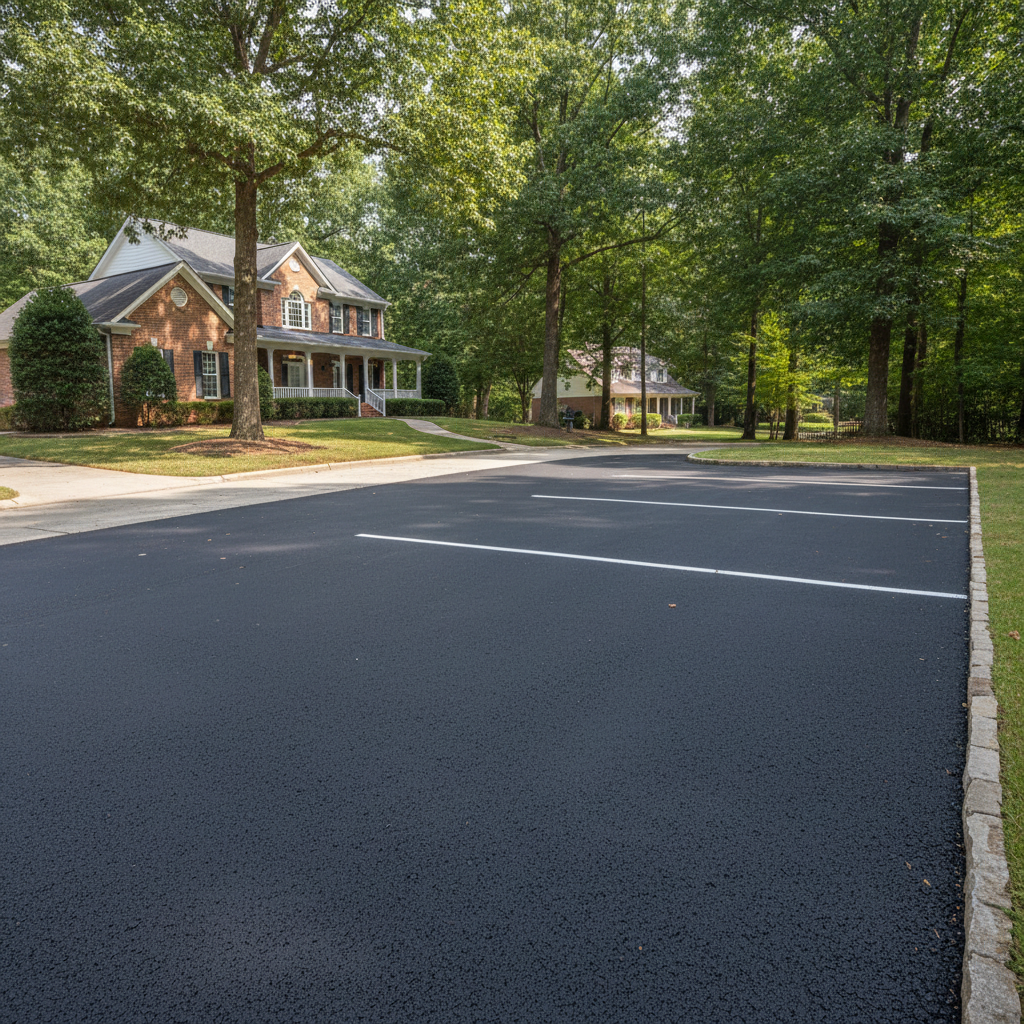
Your parking lot is a big investment, plain and simple. It's often the first thing customers see, and a well-maintained lot says a lot about your business. Here in Atlanta, with our hot summers, heavy rains, and occasional freezes, asphalt takes a beating. I've seen countless lots around Buckhead and Midtown that could've lasted years longer with a little proactive care. Let's talk about how you can extend the life of your paved surfaces.
Regular Maintenance: Your Best Defense
Think of your parking lot like your car; it needs regular check-ups to stay in top shape. The biggest thing you can do is keep it clean. Debris, dirt, and oil spills don't just look bad; they can break down the asphalt binder over time. A regular sweep or power wash helps a lot. It prevents weeds from taking root in cracks, too, which is a common problem I see.
Another crucial step is sealcoating. This isn't just about making your lot look new again; it's a protective layer. It shields the asphalt from UV rays, water penetration, and oil spills. For most commercial lots in our climate, I recommend sealcoating every 2-3 years. It's a small investment that pays off big time by preventing more expensive repairs down the road.
Crack sealing is another non-negotiable. Those hairline cracks might seem minor, but they're open invitations for water to get underneath your asphalt. Once water gets in, especially with our clay soils here in Georgia, it can erode the base layer. Then, when temperatures drop and that water freezes, it expands, turning those small cracks into potholes. You want to seal cracks as soon as they appear, before they become a real headache.
Warning Signs You Can't Ignore
You don't need to be an asphalt expert to spot problems. Just take a walk around your lot once a month and keep an eye out for these things:
- New cracks: Any new crack, especially if it's longer than a few inches or starting to spiderweb, needs attention.
- Potholes: These are obvious, but they're also a sign that water has compromised the sub-base. Don't wait on these; they only get worse and can be a liability.
- Fading or dull color: If your asphalt looks gray instead of black, it means the binder is oxidizing. That's a sign it's losing its flexibility and needs sealcoating.
- Standing water: Puddles after rain indicate drainage issues or low spots where the asphalt has settled. This will lead to accelerated deterioration.
- Alligator cracking: This looks like a series of interconnected cracks, resembling an alligator's skin. It means the sub-base has failed, and you're likely looking at a more extensive repair, like an overlay or even a full-depth patch.
When to Call a Professional
You can handle sweeping and basic cleaning yourself, but when it comes to crack sealing, sealcoating, or any kind of patching, you really want to bring in the pros. We've got the specialized equipment, materials, and experience to do it right. Trying to DIY these jobs often leads to short-term fixes that cost more in the long run.
For example, if you're seeing widespread alligator cracking or significant potholes, you're past the point of simple crack filling. You might need milling and resurfacing, or even a full reconstruction of sections of your lot. That's where Majestic Asphalt Company comes in. We can assess the damage, explain your options, and give you a clear plan to get your lot back in shape.
Don't wait until your parking lot is a minefield of potholes. Proactive maintenance is always cheaper than reactive repairs. A little attention now saves you a lot of money and hassle later, and keeps your property looking sharp for your customers.