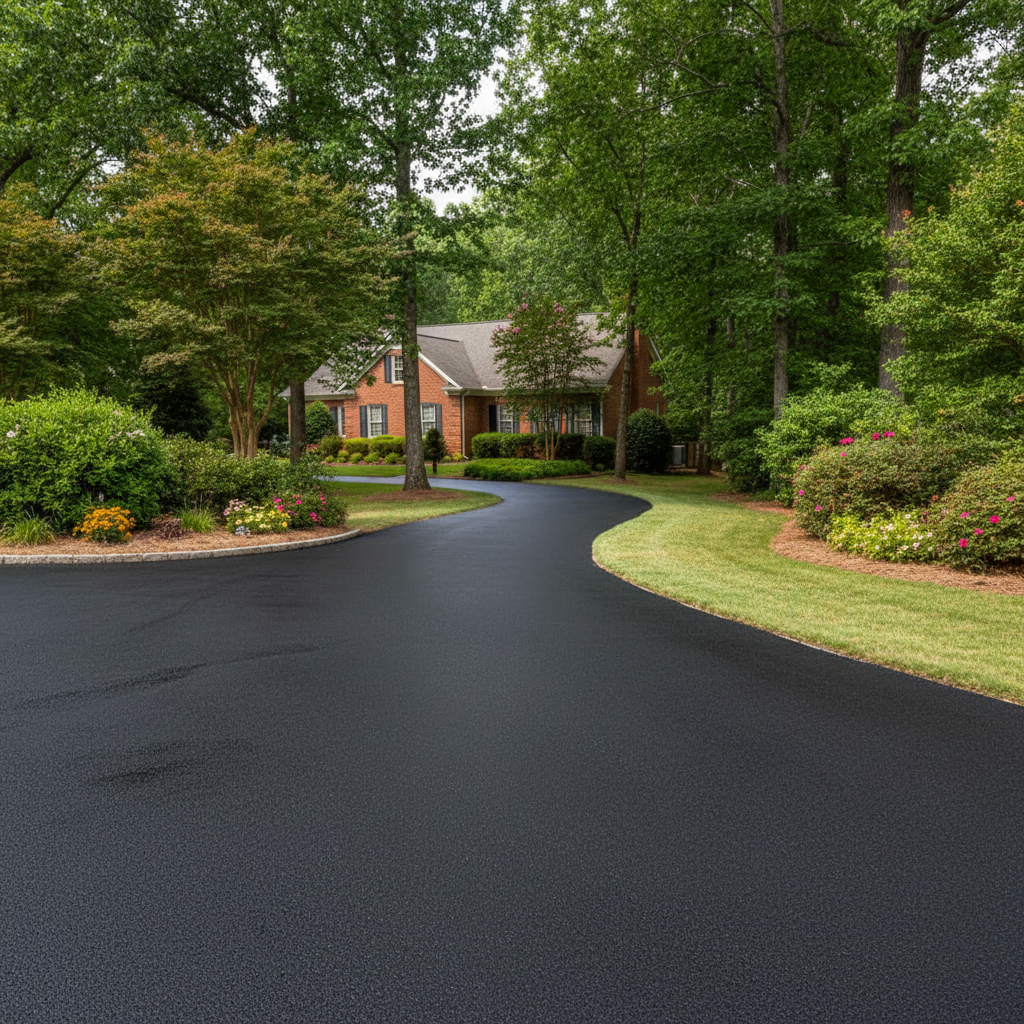
You’re staring at your driveway, and let's be honest, it's seen better days. Maybe a few minor cracks have popped up, the color's faded a bit, and you're thinking, 'A fresh slurry coat will sort that right out!' And you're not wrong, exactly. A decent slurry coat really can protect your asphalt, make it last longer, and spruce up its look. But I've watched too many folks here in Atlanta, from Buckhead all the way to Decatur, stumble into some pretty easy-to-avoid mistakes when they're planning or hiring for this kind of project. So, let’s chat about what to keep an eye out for.
Mistake #1: Thinking Slurry Coating Will Fix Major Damage
This is probably the biggest misunderstanding out there, hands down. Slurry coating, sometimes called sealcoating, is really about prevention and making things look nice again. Think of it like painting over a rusty car fender without actually fixing the rust first. If your driveway has big cracks, potholes, or sections where the asphalt is just crumbling away, a slurry coat won't fix any of that. It'll just hide the problems for a little while, and then those underlying issues will pop back up, often even worse than before. You absolutely have to deal with any structural damage first – that means patching, crack filling, or even replacing whole sections – before you even consider sealcoating. Otherwise, you're just throwing money down the drain, aren't you?
Mistake #2: Not Understanding How Much Prep Work is Involved
A good slurry coat? It's 90% preparation. I really can't say this enough. You could have the absolute best material on the planet, but if the surface isn't ready, it's going to fail. This means cleaning the driveway super thoroughly – and I mean *really* thoroughly. We're talking power washing, sweeping, blowing away every bit of dirt, debris, oil stain, and loose aggregate. If there's any oil or grease, you need to clean it with a degreaser. Got moss or weeds growing in cracks? They have to go. If a contractor tells you they can just spray it on without much prep, that's a huge red flag. They're cutting corners, and you'll end up paying for it with premature peeling and a finish that just won't last.
Mistake #3: Choosing the Cheapest Bid Without Asking Questions
Look, I get it. Everyone wants a good deal; who doesn't? But when it comes to asphalt work, the cheapest bid is almost never the best one. Some contractors will use watered-down material, skip crucial prep steps, or bring in inexperienced crews. You really need to ask questions: What kind of material are they using? How many coats will they put down? What's their exact process for cleaning and getting the surface ready? Do they offer any kind of warranty? A reputable company, like Majestic Asphalt Company, will be totally upfront about their process and what materials they use. If a price seems too good to be true, it probably is. You're just inviting headaches down the road, believe me.
Mistake #4: Ignoring Weather Conditions
Atlanta weather can be a little unpredictable, especially during spring and fall. Slurry coating needs very specific conditions to dry and harden correctly. It can't be too cold (usually above 50°F and getting warmer), it can't be too hot (that can make it dry too fast and crack), and it absolutely, positively cannot rain within 24-48 hours after it's applied. Putting down slurry coat on a day that's too humid or when rain is in the forecast is just asking for trouble. It won't cure right, it'll wash away, or it'll just look splotchy and uneven. A good contractor will keep a close eye on the forecast and reschedule if they need to, even if it's a bit of a hassle. It's for the good of your investment, after all.
Mistake #5: Not Allowing Enough Curing Time
Once that fresh, black coat is down, it looks so inviting, doesn't it? But you absolutely cannot drive or even walk on it too soon. Most slurry coats need at least 24-48 hours to cure properly, and sometimes even longer depending on the product and the weather. Driving on it too early can leave tire marks, scuffs, and might even pull up the fresh coating. It's frustrating, I know, but patience is really key here. Your contractor should clearly tell you how long you need to wait and might even put up temporary barriers. Don't rush it.
Mistake #6: Not Checking References or Reviews
Before you hire anyone to work on your home, you should always do your homework. Check their online reviews – Google, Yelp, the BBB. Ask for references from past clients. A good contractor will have plenty of happy customers who are glad to vouch for their work. If a company has no online presence, no reviews, or can't give you references, that's a big warning sign. You want someone with a proven track record, especially for something as visible and important as your driveway.
Getting a slurry coat done right can really boost your home's curb appeal and protect your asphalt for years. Just make sure you're aware of these common mistakes so you can avoid them and ensure you get a quality job that lasts.