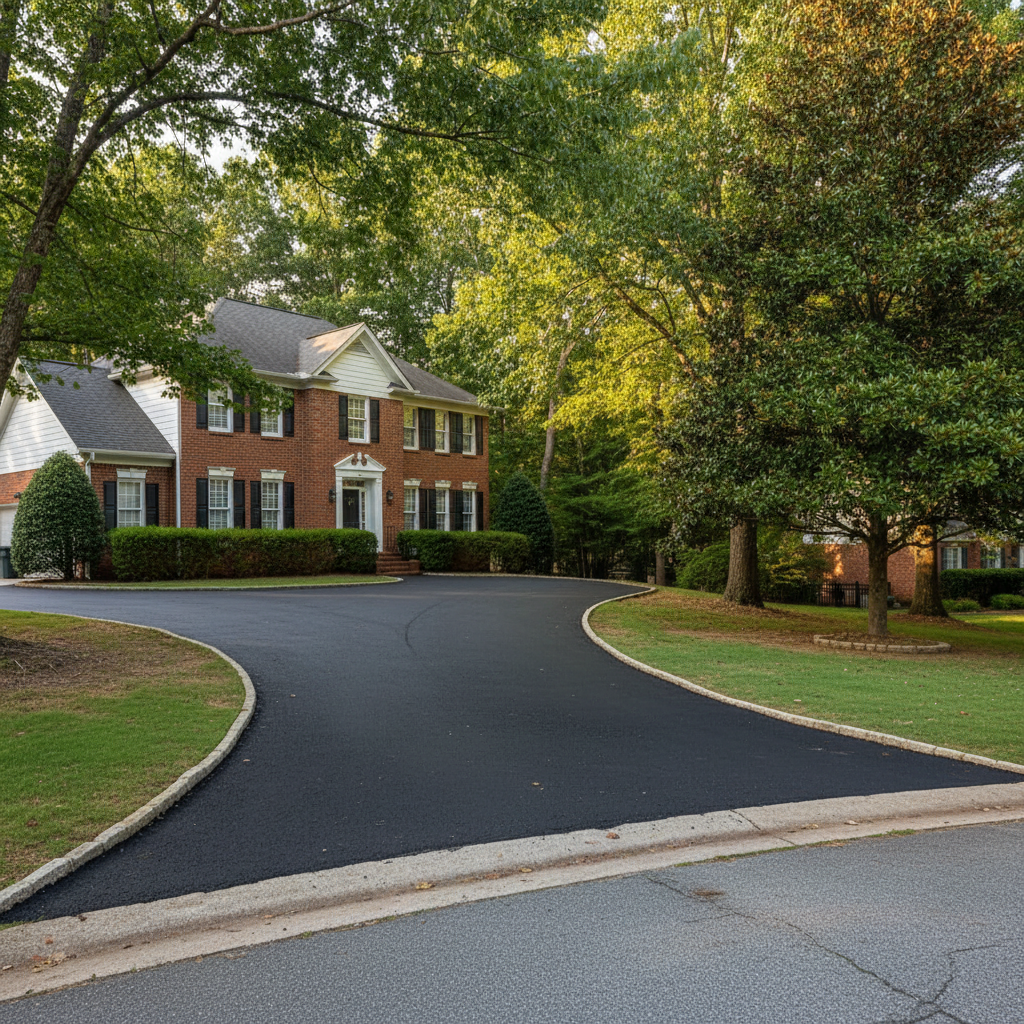
Alright, you've got cracks, potholes, or maybe just some serious wear and tear on your asphalt. It's time for a repair, and you're probably wondering what that whole process looks like. I get it. Nobody wants surprises when they're spending money on their home, right? So, let's talk about how to plan your asphalt repair project right here in Atlanta, from start to finish. That way, you'll know exactly what's coming.
Setting Your Timeline: When Can This Happen?
Timing is a big deal for asphalt work, especially around here in Atlanta. You just can't lay asphalt in a downpour or when it's freezing cold. Generally, the best time for asphalt repair in Atlanta is during the spring, late summer, or early fall. We're talking about when temperatures are consistently above 50 degrees Fahrenheit during the day, and they aren't dipping too low at night. This gives the asphalt the best chance to cure properly and last. If you call us in January, we'll probably tell you to hold off until March or April, unless it's an emergency patch job. We've seen too many repairs fail because folks rushed it in bad weather, and that's just a waste of your money.
Once you've picked the right season, you'll need to factor in the contractor's schedule. Good asphalt companies, like Majestic Asphalt Company, are usually booked a few weeks out — sometimes even more. Don't expect us to show up tomorrow. Plan on a couple of weeks from the time you get a quote to when we can actually start the work. The actual repair itself? For most residential driveways, it's usually a one-day affair, maybe two if it's a really extensive job or we're dealing with a lot of base work. Sealcoating, if that's part of the plan, will add another day or two for application, then a 24-48 hour cure time where you can't drive on it.
What to Expect During the Process
So, we've agreed on a plan, and the crew is showing up. What's going to happen? First off, expect some noise and activity. We're running heavy equipment, cutting out old asphalt, and laying down new material. It's not a quiet job. Here's a general rundown:
- Assessment & Prep: We'll re-evaluate the area, mark out where we're cutting, and get the site ready. This might involve sweeping, clearing debris, or setting up safety cones.
- Cutting & Removal: If we're doing patch repairs, we'll cut out the damaged sections of asphalt. We usually do this with a saw, creating clean edges. Then, we'll remove the old, broken asphalt and haul it away.
- Base Repair (If Needed): This is crucial. If the underlying gravel base is weak or damaged, we'll dig it out, add new aggregate, and compact it thoroughly. A good base is the foundation of a lasting repair. You can't just patch over a bad base and expect it to hold up, especially with Atlanta's red clay soil that can shift and cause issues.
- Applying New Asphalt: We'll bring in hot asphalt mix. Our team spreads this evenly over the prepared area, then compacts it with a roller. This process needs to happen quickly while the asphalt is hot and pliable.
- Compaction & Finishing: We roll the new asphalt until it's smooth and properly compacted, blending it seamlessly with the existing surface. We'll make sure the edges are clean and the grade is right for drainage.
- Clean Up: We clean up the work area, remove any leftover debris, and make sure your property looks tidy.
If sealcoating is part of your project, that'll happen after the repairs have had a chance to cure, usually a week or two later. It's a separate step that protects your new asphalt.
How to Prepare Your Property
You don't need to do much heavy lifting, but a little preparation from your end makes our job smoother and keeps your property safe:
- Clear the Area: Move your cars, bikes, trash cans, planters — anything that's on or near the asphalt we're working on. We need clear access.
- Pets & Kids: Keep pets and children away from the work zone. Hot asphalt is dangerous, and heavy equipment is no joke.
- Sprinkler Systems: If you have sprinklers close to the edge of your driveway, let us know and mark them if you can. We don't want to accidentally damage them.
- Access: Make sure we have a clear path to bring in our trucks and equipment. If you have a gate, make sure it's unlocked or you're there to open it.
- Communicate: If you have any questions or concerns on the day of the work, just ask the crew chief. That's what they're there for.
Questions to Ask Before You Sign That Contract
Before you commit to any contractor, you need to be asking some pointed questions. This isn't just about getting the lowest price; it's about getting a quality job that lasts. Here are the big ones:
- What exactly is included in this quote? Don't just assume. Does it include base repair if needed? Hauling away old asphalt? Cleanup? Sealcoating? Get it all in writing.
- What's your warranty? A reputable company will stand behind their work. Ask about the length of the warranty and what it covers.
- Are you licensed and insured? This is non-negotiable. You want to see proof of general liability and workers' compensation insurance. If they're not insured, you could be liable if someone gets hurt on your property.
- How long have you been doing asphalt work in Atlanta? Experience matters, especially with our local conditions. Someone who knows how our climate and soil affect asphalt is a big plus.
- Can you provide references? Ask for a few recent customers you can call, or at least some addresses of local jobs they've done that you can drive by and look at.
- What's your payment schedule? Do they require a deposit? When is the final payment due? Be wary of contractors who demand a huge upfront payment.
- What's the estimated timeframe for completion? Get a clear idea of when they expect to start and finish the actual work.
Asking these questions upfront will save you a lot of headaches down the road. You're investing in your home, so make sure you're working with someone you trust to do it right. Good asphalt repair isn't just about filling a hole; it's about making sure that repair holds up for years to come.